
Understanding the Materials
Dekton is an ultra-compact surface made from a sophisticated blend of raw materials used to produce glass, porcelain, and quartz. Manufactured through a high-heat sintering process, it results in a dense, nonporous material known for extreme durability. Quartz, on the other hand, is an engineered stone made from natural quartz crystals mixed with resin binders and pigments. It delivers a sleek appearance with consistent color and pattern options.
Durability and Strength
When it comes to resilience, both materials perform exceptionally well, but they shine in different ways. Dekton is nearly indestructible — highly resistant to heat, UV rays, and scratches. It’s ideal for indoor and outdoor applications alike. Quartz, while extremely strong, can be sensitive to direct sunlight and high heat over time. However, it offers excellent impact resistance and is less likely to chip during daily use.
Heat and Stain Resistance
Dekton is the clear winner in heat resistance. Homeowners can place hot pots or pans directly on the surface without fear of damage. It also resists stains from wine, oil, or acidic foods thanks to its zero-porosity structure. Quartz surfaces are heat-tolerant but not heat-proof — placing hot cookware directly on quartz can cause discoloration or cracking. On the plus side, quartz is highly stain-resistant and requires minimal maintenance when cleaned regularly.
Appearance and Design Flexibility
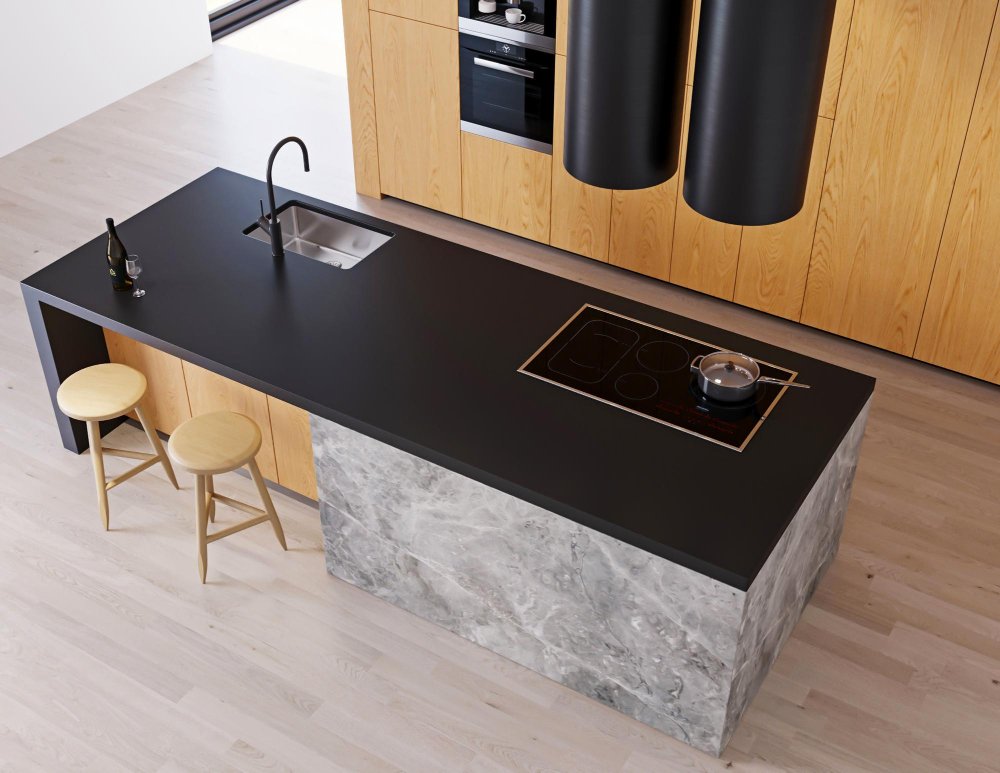
Both Dekton and quartz offer exceptional aesthetic range. Dekton surfaces can mimic the look of natural stone, concrete, or metal, often with large-format slabs that minimize seams. Quartz delivers a polished, uniform look with patterns inspired by marble and granite. The choice ultimately depends on a homeowner’s design goals — whether they prefer the bold, industrial appeal of Dekton or the classic elegance of quartz.
Popular Design Applications
- Dekton: Perfect for outdoor kitchens, waterfall islands, and high-heat environments.
- Quartz: Ideal for bathrooms, vanities, and kitchens where a polished, luxurious look is desired.
- Both: Offer edge profiles, custom finishes, and integrated backsplash options for cohesive design.
Maintenance and Longevity
Neither surface requires sealing — a major advantage over natural stone. Dekton’s dense, nonporous composition makes it nearly maintenance-free, requiring only mild soap and water for cleaning. Quartz is similarly easy to maintain but slightly more vulnerable to discoloration from harsh chemicals or UV exposure. With proper care, both materials can last for decades while retaining their original finish.
Environmental Impact
Eco-conscious homeowners will appreciate that both surfaces are produced with sustainability in mind. Dekton uses recycled materials in certain collections and has a long life cycle with minimal waste. Quartz manufacturers increasingly offer low-VOC resins and recycled-content options. When installed by certified professionals, both materials contribute to healthier indoor air quality and sustainable design certifications.
Cost Comparison
The cost difference between Dekton and quartz varies based on brand, thickness, and fabrication complexity. In general, quartz tends to be slightly more affordable, with average installed prices ranging from $70 to $120 per square foot. Dekton often ranges from $90 to $150 per square foot but compensates with superior heat resistance and durability, making it a worthwhile investment for high-performance spaces.
Which Surface Is Right for You?
For homeowners who cook frequently or want seamless indoor-outdoor design flow, Dekton is a top choice. It handles heat, sunlight, and heavy use with ease. Those seeking a refined, elegant appearance with rich color options might prefer quartz for its timeless look and wide availability. Both materials offer exceptional quality and beauty, ensuring lasting value no matter the selection.
Expert Installation Matters
Professional installation is critical for either material. Both require precise cutting, proper substrate support, and careful seam alignment. Working with a trusted Sacramento countertop specialist ensures that slabs are handled safely and fitted flawlessly. The craftsmanship behind the installation often determines the long-term performance of the surface.
Conclusion: Two Leaders, One Smart Choice
When comparing Dekton countertops vs quartz, there’s no single winner — only the right fit for your specific needs. Both materials combine technology, design, and durability in ways that make them ideal for modern homes. By balancing aesthetic goals with functional priorities, homeowners can create a kitchen surface that looks stunning, performs brilliantly, and stands the test of time.