
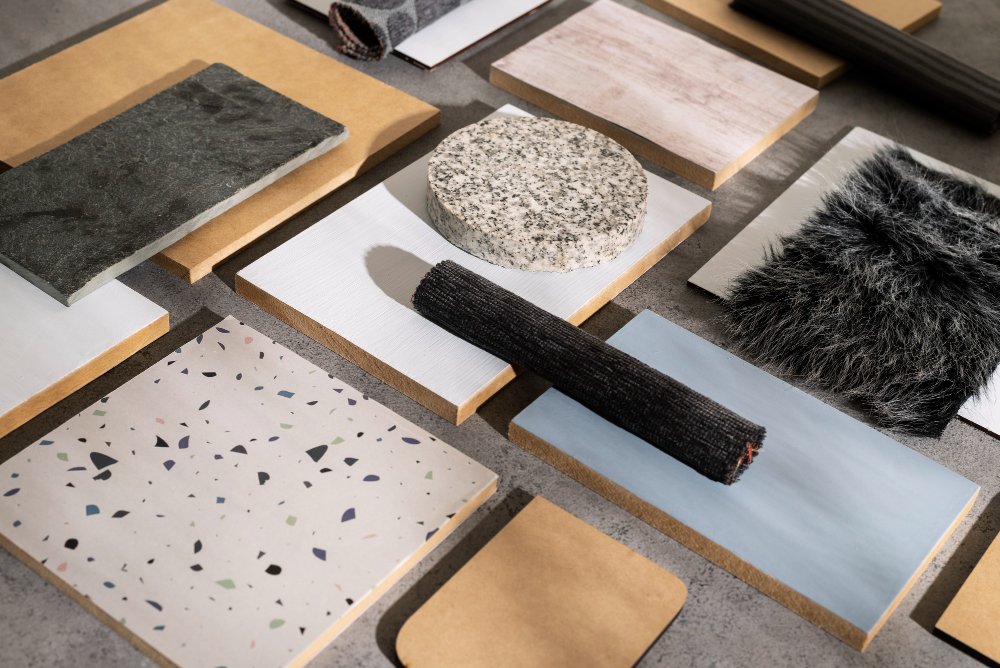
What Makes Engineered Slabs Special?
Unlike natural stone, engineered slabs are man-made surfaces designed with precision and consistency. By blending natural minerals with advanced resins and pigments, manufacturers create materials that deliver the beauty of stone without the imperfections or unpredictability of nature. The result is a durable, nonporous surface that resists scratches, stains, and fading — all while offering a variety of modern finishes.
Beauty Meets Durability
Today’s homeowners want materials that perform as well as they look. Engineered slabs strike the perfect balance between visual appeal and practicality. Their dense composition makes them resistant to chipping, heat, and moisture, making them ideal for high-traffic areas like kitchens and bathrooms. Many brands also offer UV-resistant options, allowing for seamless transitions between indoor and outdoor spaces — a hallmark of contemporary home design.
Design Versatility for Every Style
From minimalist white quartz to dramatic veined surfaces that emulate marble, engineered slabs offer nearly limitless design potential. Homeowners can achieve the luxurious appearance of natural stone without worrying about high maintenance or sealing requirements. The precision of engineered materials allows for consistent color and pattern across large installations — perfect for waterfall islands, full-height backsplashes, or expansive countertops.
- Modern Aesthetic: Clean lines and uniform tones create a streamlined look that complements open-plan living.
- Texture Options: Finishes range from polished gloss to matte suede, offering flexibility in both feel and appearance.
- Seamless Integration: Large-format slabs reduce visible joints, enhancing both hygiene and visual flow.
Ease of Maintenance
One of the strongest appeals of engineered slabs is their low maintenance. Homeowners can say goodbye to resealing, waxing, or heavy-duty cleaning. Nonporous surfaces mean spills and stains can be wiped away effortlessly with mild soap and water. In high-use areas like kitchen counters or bathroom vanities, this practicality saves time while keeping spaces looking brand new for years.
Eco-Conscious Manufacturing
Modern surface technology is also evolving toward sustainability. Many engineered slabs are manufactured using recycled materials and low-emission production methods. Some brands incorporate post-consumer glass, mirrors, or reclaimed stone, giving homeowners eco-friendly choices that don’t compromise on performance or design. This shift reflects a broader trend — today’s remodeling market values both aesthetics and environmental responsibility.
Applications Beyond the Kitchen
While countertops are the most common use, engineered slabs are versatile enough for numerous applications throughout the home. Designers now use them for shower walls, fireplace surrounds, stair treads, and even furniture cladding. Their lightweight strength makes them suitable for vertical and horizontal installations alike. In contemporary homes, cohesive materials across multiple zones create a seamless flow that feels both sophisticated and intentional.
Customization and Fabrication Precision
Advanced digital templating and fabrication technologies allow for precise cutting, edging, and fitting of slabs. Custom edge profiles — from simple eased edges to waterfall returns — let homeowners personalize their spaces down to the finest detail. This precision fabrication ensures minimal waste and exact alignment, critical for the clean geometries that define modern design.
Cost Considerations and Long-Term Value
While engineered slabs can have a higher upfront cost compared to laminate or tile, their long-term performance offers substantial value. They resist wear and tear, maintain their finish over decades, and require minimal upkeep. When considering total cost of ownership, engineered materials often outperform natural stone in durability and maintenance savings, making them a smart investment for modern homeowners.
Emerging Trends in Surface Design
Design innovation continues to push the boundaries of what engineered slabs can achieve. Large-format panels are being used for wall cladding and flooring, while digital printing allows for intricate veining and texture replication indistinguishable from real stone. Matte, honed, and tactile finishes are trending in modern interiors, appealing to homeowners who appreciate both touch and visual depth.
Conclusion: Crafting Timeless Surfaces
Engineered slabs represent the perfect marriage of science and artistry in modern home design. They deliver timeless beauty, durability, and versatility while supporting sustainable living. Whether used in kitchens, bathrooms, or custom architectural elements, these materials bring harmony between form and function — the defining trait of today’s modern home.